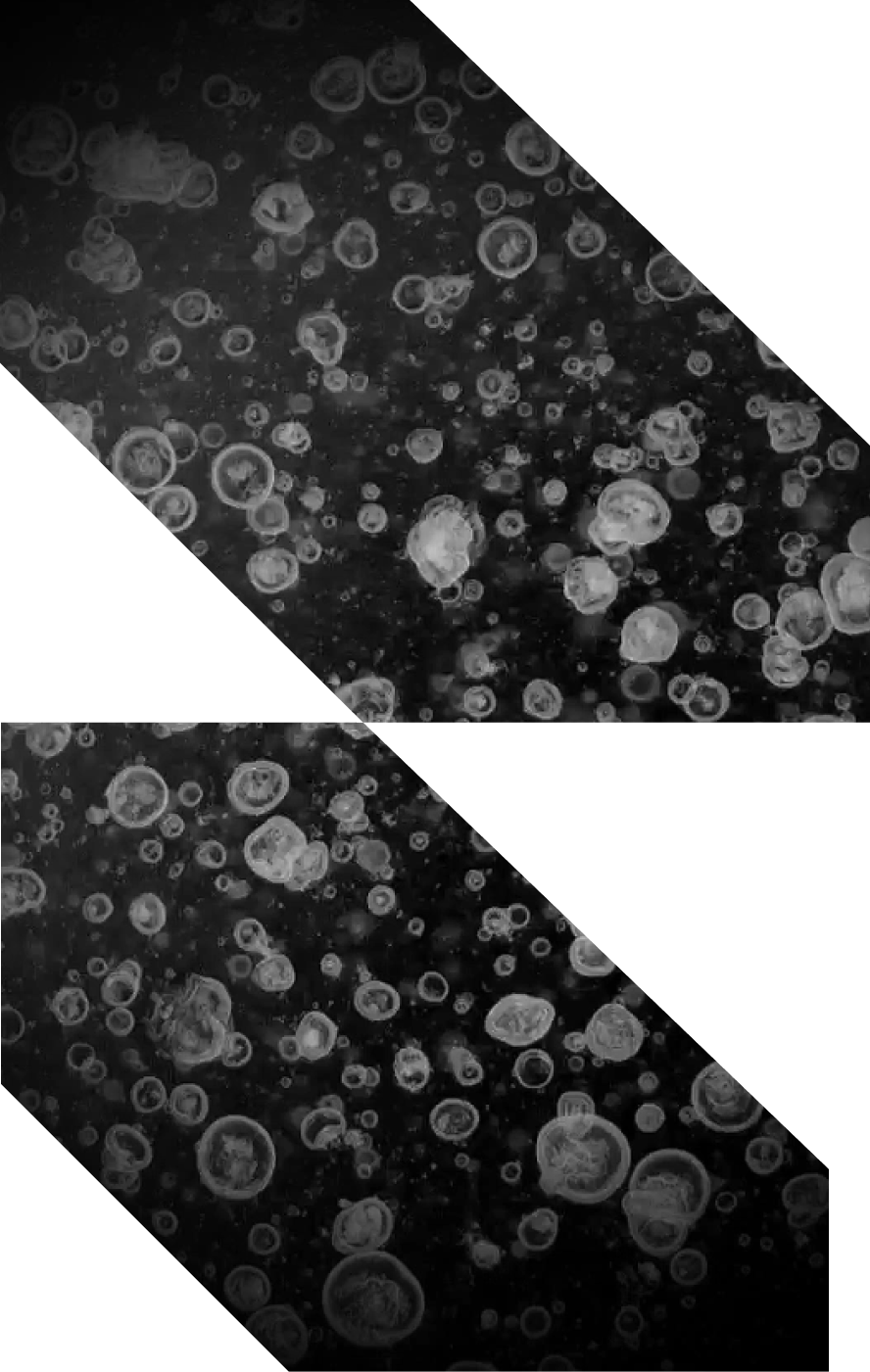
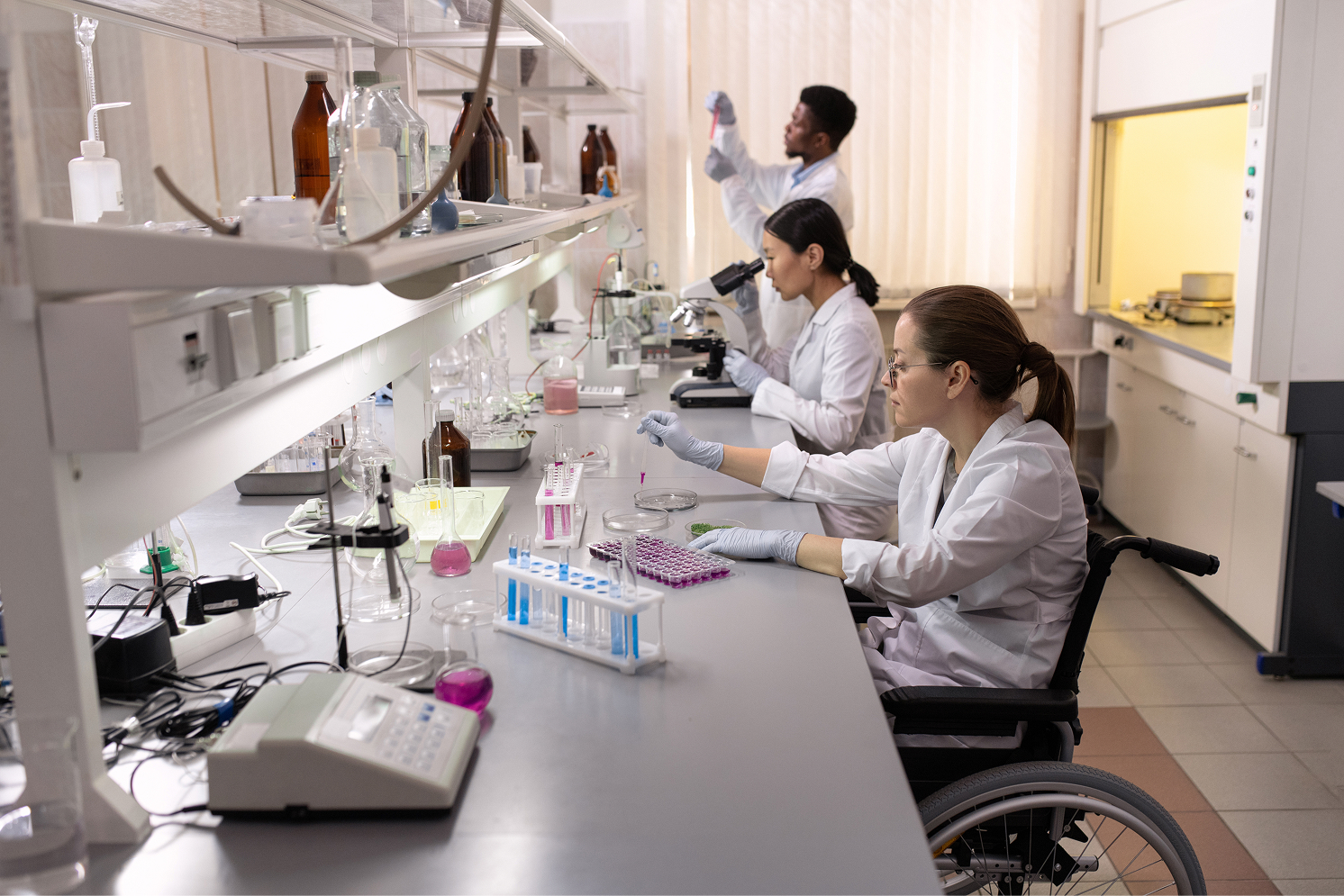
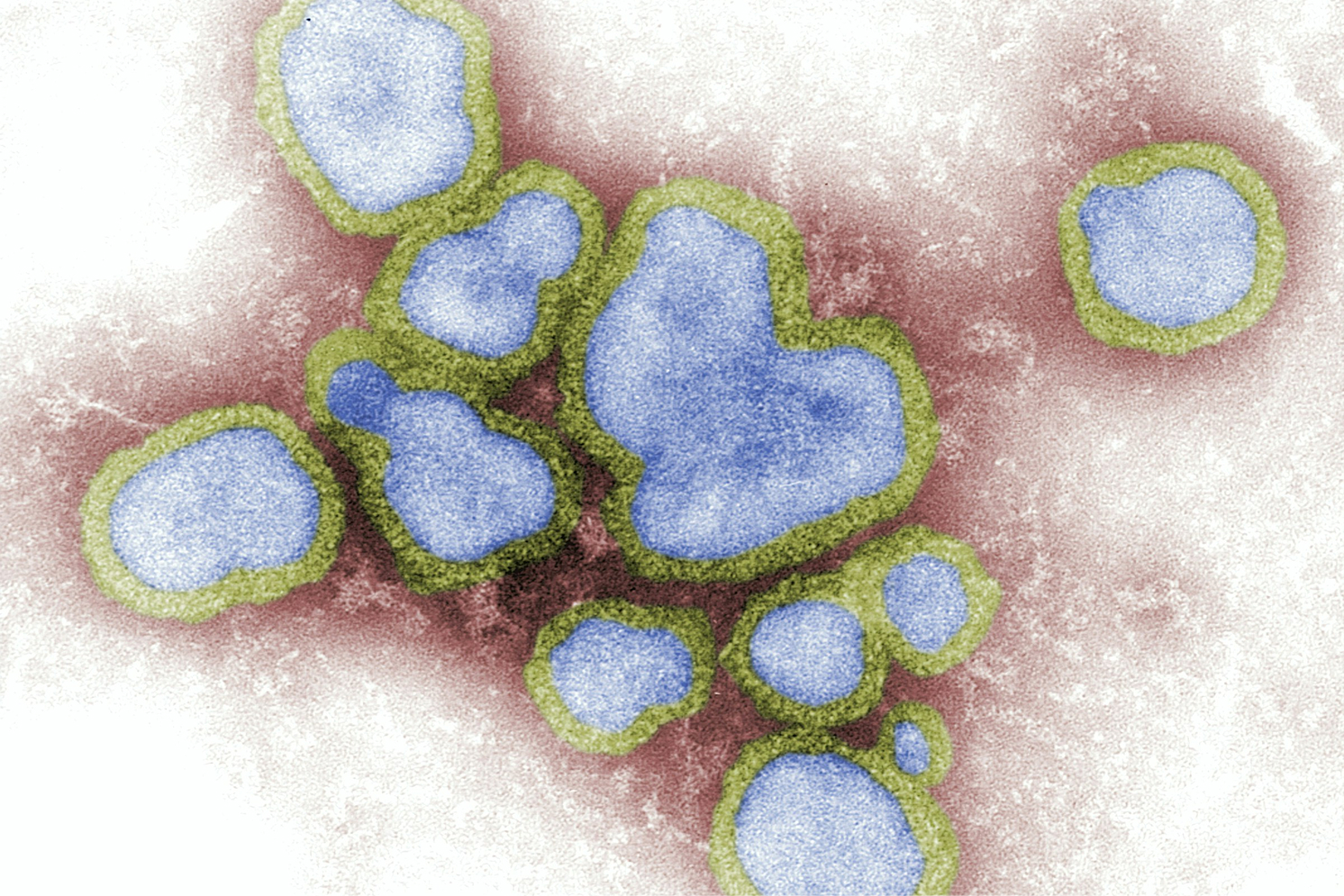
The drug development process traditionally relies on a sequence of in vitro cell assays, followed by in vivo animal studies before reaching clinical trials. However, many promising compounds fail in later stages due to the biological gap between these models and the complexity of human tissues. Organoids offer a powerful alternative — serving as a bridge between conventional cell culture and animal testing.
Derived from human stem cells, organoids recapitulate key structural and functional features of real organs, allowing researchers to evaluate drug efficacy and toxicity in a more physiologically relevant context. By integrating organoid models into preclinical workflows, scientists can achieve more predictive results, reduce animal use, and accelerate the path toward safer, more effective therapies.